Your yard, garden, and property are more than just land; they're an extension of your home, a place for relaxation, play, and pride. But achieving that picture-perfect lawn, a thriving garden, or a clean, safe property often feels like a monumental task, especially if you're battling it out with hand tools. This is where understanding the diverse world of Outdoor Power Equipment Categories becomes your superpower. From taming overgrown jungles to preparing for winter's chill, the right tools make all the difference, transforming backbreaking chores into manageable projects.
Gone are the days of endless raking, manual sawing, and hand-digging. Modern outdoor power equipment (OPE) offers efficiency, precision, and the sheer muscle you need to tackle any challenge your landscape throws at you. But with so many options, how do you know what you truly need? This guide cuts through the noise, breaking down the essential categories of OPE to help you equip your arsenal wisely.
At a Glance: Powering Up Your Outdoor Efforts
- Lawn Care Essentials: Keep your grass immaculate with mowers, trimmers, and edgers.
- Yard & Property Cleanup: Banish leaves, clear debris, and restore sparkle with blowers and pressure washers.
- Tree & Wood Management: Tackle branches, fell small trees, and prepare firewood efficiently with chainsaws, log splitters, and chippers.
- Garden & Soil Preparation: Cultivate healthy soil and make planting a breeze using tillers, cultivators, and augers.
- Seasonal & Specialty Chores: Conquer snow, level ground, and more with specialized equipment like snow blowers and compactors.
- Emergency & Utility: Ensure peace of mind and power on the go with portable generators.
- Consider Power Sources: Decide between gas, electric (corded or cordless battery), based on power needs, convenience, and eco-consciousness.
The Foundation: Why Outdoor Power Equipment Matters
Imagine spending an entire weekend wrestling with a dull shovel to dig post holes, or tirelessly raking leaves for hours on end. Now imagine doing those same tasks in a fraction of the time, with less strain, and often with better results. That's the core promise of outdoor power equipment. It’s about leveraging technology to simplify demanding tasks, giving you back precious time and preventing unnecessary fatigue. Whether you're a seasoned DIY enthusiast or just starting to manage your first yard, understanding these tool categories is the first step toward a more enjoyable, efficient, and successful outdoor experience.
As many seasoned homeowners will tell you, having the right tools on hand, whether for routine maintenance or unexpected challenges, is crucial. Retailers like Ace Hardware emphasize how their "diverse selection of outdoor power equipment" makes yard work a breeze, helping you conquer overgrown areas and maintain a manicured masterpiece. Similarly, Menards positions itself as a "one-stop shop" for everything from lawn mowers to log splitters, highlighting the sheer breadth of tools available to simplify your projects.
Let's dive into the main categories you'll encounter and what each brings to your outdoor toolkit.
1. Lawn Care & Upkeep: The Green Carpet Treatment
Keeping your lawn pristine is often the highest priority for many homeowners. This category features the tools designed to keep your grass healthy, neat, and the envy of the neighborhood.
Lawn Mowers: The Heart of Your Lawn's Health
The undisputed king of lawn care, lawn mowers come in various forms, each suited for different yard sizes and terrains. They're essential for cutting grass to a consistent height, promoting healthy growth, and maintaining that manicured look. Choosing the right one depends heavily on your property's scale and your personal preferences.
- Push Mowers (Reel Mowers): Eco-friendly and quiet, these are best for small, flat lawns. They offer a clean, scissor-like cut.
- Walk-Behind Mowers (Gas, Electric Corded, Battery-Powered):
- Push Mowers: You provide the propulsion. Great for small to medium yards.
- Self-Propelled Mowers: The engine drives the wheels, making them easier to maneuver, especially on sloped or larger lawns.
- Decision Point: Gas models offer maximum power and run time, while battery-powered versions provide cordless convenience with less noise and maintenance. Corded electric options are lightest but limit your range.
- Riding Mowers (Lawn Tractors & Zero-Turn Mowers):
- Lawn Tractors: Ideal for medium to large properties (half an acre and up). They can often accept attachments like baggers or carts.
- Zero-Turn Mowers: Built for speed and maneuverability, these are perfect for large, complex lawns with obstacles, allowing precise turns.
- Expert Insight: As Ace Hardware notes, riding mowers are "ideal for especially large properties," saving significant time and effort.
- Robotic Mowers: The ultimate in hands-off lawn care. These autonomous units trim your lawn on a schedule, perfect for those who want a consistently neat lawn without lifting a finger.
When considering which type of mower to invest in, think about your lawn's size, its contours, and how much time you want to spend maintaining it. You can explore various types of lawn mowers to find the perfect match for your needs.
String Trimmers & Edgers: The Finishing Touches
Once the main lawn is cut, these tools step in to give it that professional, manicured finish.
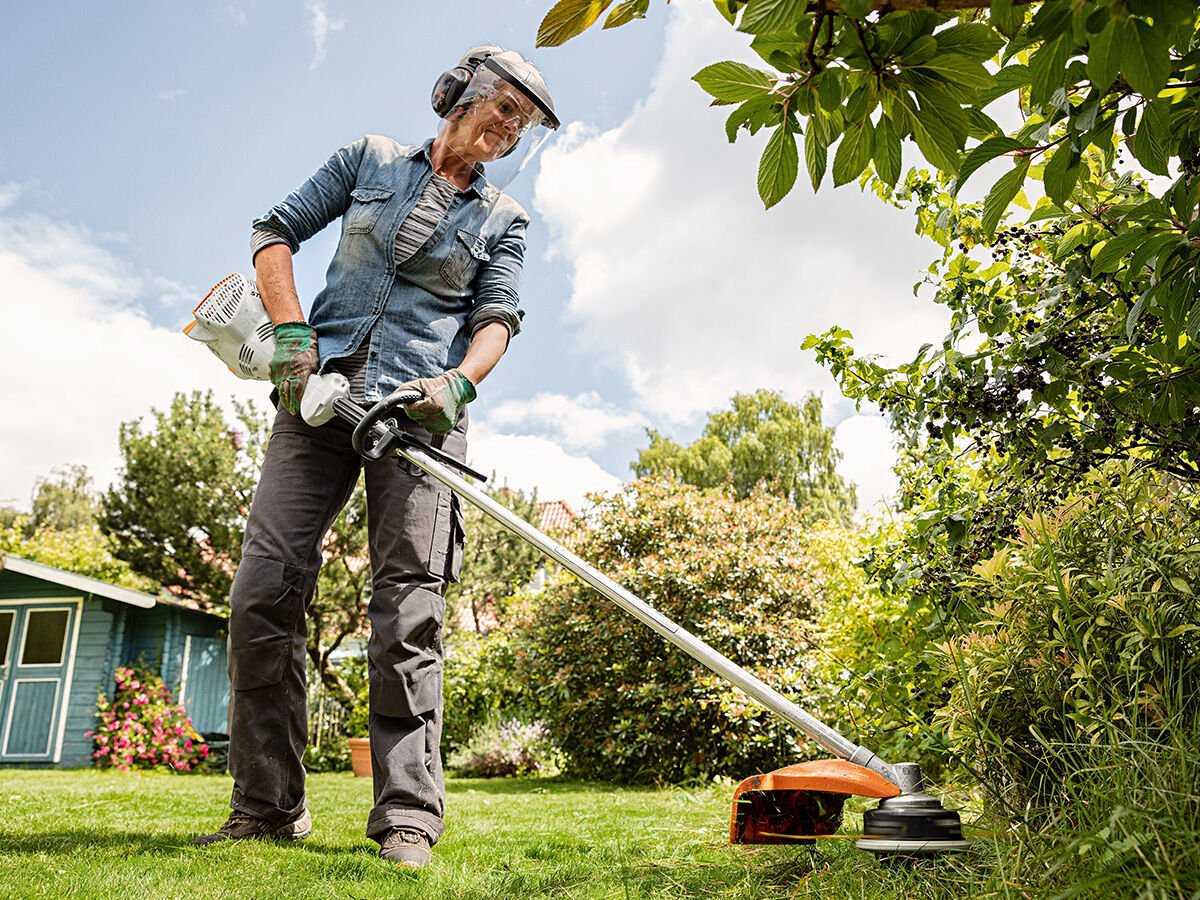
- String Trimmers (Weed Whips): Indispensable for cutting grass in hard-to-reach areas where mowers can't go—around trees, fences, garden beds, and along walkways. They use a rotating line to cut through grass and light weeds.
- Edgers: Designed specifically to create crisp, clean lines along sidewalks, driveways, and garden beds, separating the lawn from other surfaces. They typically use a metal blade for a more defined cut. Many string trimmers can convert to an edging function, offering versatility.
- Power Source Note: Both are widely available in gas, electric corded, and battery-powered models. Battery options have seen significant advancements, offering surprising power and run time for most residential uses.
Hedge Trimmers: Sculpting Your Greenery
For shaping hedges, shrubs, and bushes, hedge trimmers are essential. They feature long, reciprocating blades that quickly shear through branches, allowing you to maintain neat lines and healthy plant growth.
- Blade Length: Longer blades cover more area but can be heavier. Shorter blades offer more precision.
- Power Source: Gas models offer maximum power for thicker branches, while electric (corded or battery) are lighter, quieter, and sufficient for most residential shrubs.
2. Yard & Property Cleanup: Clearing the Clutter
From seasonal leaf drops to general grime build-up, keeping your property tidy requires specialized tools that make quick work of what would otherwise be arduous tasks.
Leaf Blowers: The Wind Beneath Your Wings
When autumn arrives, or even after a storm, leaf blowers are a godsend. They use a powerful stream of air to clear leaves, grass clippings, and light debris from lawns, driveways, sidewalks, and patios.
- Handheld Blowers: Lightweight and easy to maneuver, perfect for smaller yards and quick cleanups.
- Backpack Blowers: Offer more power and comfort for larger properties, distributing the weight evenly across your back.
- Walk-Behind Blowers: The most powerful option, ideal for very large properties or commercial use, but less maneuverable.
- Functionality: Some models also offer a vacuum and mulching function, allowing you to collect debris and reduce its volume for easier disposal.
Pressure Washers: Blast Away the Grime
Pressure washers use a high-pressure stream of water to blast away dirt, grime, mold, mildew, and other stubborn stains from various outdoor surfaces. They can revitalize decks, patios, siding, driveways, fences, and even vehicles.
- Electric Pressure Washers: Lighter, quieter, and require less maintenance. Best for lighter-duty tasks like cleaning patio furniture, cars, or small decks.
- Gas Pressure Washers: More powerful and durable, ideal for heavy-duty cleaning tasks such as stripping paint, cleaning large driveways, or removing deep-seated grime.
- Key Specs: Look at PSI (pounds per square inch) for cleaning power and GPM (gallons per minute) for rinsing efficiency. Ace Hardware specifically calls out pressure washers for getting "gutters, siding, decks and other outdoor surfaces looking pristine." For more in-depth guidance, check out a comprehensive pressure washer buying guide.
3. Tree & Wood Management: Taming the Wild
Trees and wood provide beauty and utility but also require management. This category includes robust tools for everything from trimming branches to preparing firewood.
Chainsaws: The Power to Cut
Chainsaws are powerful, handheld tools designed for felling trees, limbing branches, and cutting firewood. Their speed and cutting ability make them indispensable for serious wood work.
- Gas Chainsaws: Offer maximum power and portability for demanding jobs like felling larger trees or cutting through thick logs.
- Electric Chainsaws (Corded or Battery-Powered): Lighter, quieter, and easier to start and maintain. Suitable for lighter tasks such as pruning branches, cutting small trees, or preparing kindling. Battery models have greatly improved in power and run time.
- Safety First: Chainsaws are inherently dangerous. Always wear appropriate safety gear (gloves, eye protection, hearing protection, chaps) and understand proper operating techniques. As Ace Hardware points out, chainsaws are perfect for "cutting firewood, clearing debris, and maintaining your property." To ensure you pick the right tool for your specific needs, consider choosing the right chainsaw based on engine size, bar length, and safety features.
Log Splitters: Making Firewood Easy
If you have a fireplace, wood stove, or enjoy bonfires, a log splitter is a game-changer. It hydraulically or mechanically splits logs into manageable pieces for burning, saving you immense time and physical effort compared to using an axe.
- Electric Log Splitters: Generally less powerful, suited for smaller logs and occasional use. Quieter and require less maintenance.
- Gas Log Splitters: More powerful, capable of splitting larger and tougher logs quickly. Ideal for frequent use or significant firewood production.
- Tonnage Rating: This indicates the splitting force. Higher tonnage means it can handle larger, denser logs. Menards highlights log splitters and chippers for making "collecting wood for a fireplace or bonfire an easier task than doing it by hand."
Wood Chippers/Shredders: Transforming Debris
Wood chippers turn branches and brush into wood chips, which can be used as mulch in your garden, for pathways, or simply for easier disposal. This reduces yard waste volume significantly.
- Electric Chippers: Best for smaller branches (typically up to 1.5 inches in diameter) and lighter use.
- Gas Chippers: More powerful, capable of handling larger branches (up to 3-4 inches or more) and designed for heavier, more frequent use.
4. Garden & Soil Preparation: Cultivating Growth
For gardeners and landscapers, preparing the soil is paramount. These tools make the physically demanding work of digging and aerating much more efficient.
Tillers & Cultivators: Prepping the Earth
These machines are designed to break up and aerate soil, making it loose and fertile for planting. They are indispensable for establishing new garden beds, preparing vegetable patches, or mixing in compost and amendments.
- Cultivators: Smaller, lighter, and designed for lighter tasks like weeding, mixing in fertilizer, or aerating established garden beds. They typically work the top few inches of soil.
- Tillers (Rototillers): More robust machines that dig deeper and break up tougher, compacted soil, making them ideal for breaking ground in new areas or preparing larger plots.
- Power: Available in gas and electric (corded or battery) options, with gas models offering superior power for breaking virgin soil. Ace Hardware emphasizes how rototillers and cultivators "loosen soil quickly and remove the need for basic gardening tools like shovels or hoes."
Augers: The Hole Diggers
Augers are essentially powerful drills designed for digging holes in the ground quickly and efficiently.
- Handheld/Post-Hole Augers: Great for digging post holes for fences, decks, or planting saplings. They save a tremendous amount of manual labor compared to post-hole diggers.
- Ice Augers: Specialized versions designed to bore holes through ice for winter fishing, highlighting the versatility of auger technology.
- Power Source: Most are gas-powered for maximum torque, though battery-powered versions are emerging for lighter tasks. Menards points out augers are "available in different sizes and types for digging holes in the ground and even through lake ice for winter fishing."
5. Seasonal & Specialty Chores: Beyond the Everyday
Some tasks are seasonal, while others are specific to certain projects. These tools tackle those unique demands head-on.
Snow Blowers: Conquering Winter's Grip
When winter dumps snow, a snow blower can be your best friend, clearing driveways, sidewalks, and pathways with incredible speed and efficiency.
- Single-Stage Snow Blowers: Good for light to moderate snowfall (up to 8-10 inches) on paved surfaces. The auger touches the ground, scooping and throwing snow.
- Two-Stage Snow Blowers: More powerful, designed for heavy, wet snow and depths greater than 10 inches. They can handle gravel driveways as the auger doesn't touch the ground.
- Three-Stage Snow Blowers: The most powerful, featuring an accelerator that chops up ice and compacted snow before feeding it to the impeller, ideal for extreme conditions.
- Power Source: Primarily gas-powered for maximum output, though powerful battery-electric options are gaining popularity for smaller driveways. For tips on keeping your machine running smoothly all season, be sure to check out our snow blower maintenance guide.
Compactors: Building a Solid Foundation
While less common for the average homeowner, compactors are vital for construction and landscaping projects that require a stable, level base. They use vibration to compact soil, gravel, or asphalt, creating a firm surface for patios, walkways, or shed foundations.
- Plate Compactors: The most common type, ideal for granular materials.
- Application: As Menards states, construction compactors are "designed to compact soil to make a harder building surface."
6. Emergency & Utility: Power When You Need It
Beyond specific outdoor chores, some power equipment provides essential utility and peace of mind.
Generators: Your Backup Power Plan
Generators provide portable electricity, serving as a crucial backup power source during outages or a convenient power supply in remote locations.
- Portable Generators: Available in various sizes, these are popular for home backup, camping, tailgating, and powering tools on job sites.
- Inverter Generators: Quieter, more fuel-efficient, and produce cleaner power, making them safe for sensitive electronics.
- Fuel Types: Most run on gasoline, but some are dual-fuel (gas and propane) or even tri-fuel. Ace Hardware notes that generators are there "to have a backup power supply on hand when it's absolutely necessary," while Menards highlights their use as "a backup energy source or while camping in an area without electricity." Understanding generator safety tips is paramount to safe operation.
Understanding Power Sources: Gas vs. Electric (Corded vs. Battery)
The choice of power source significantly impacts an outdoor power tool's performance, convenience, and maintenance requirements.
- Gas-Powered Equipment:
- Pros: Maximum power and run time, superior for heavy-duty tasks and large properties, highly portable (no cords or charging).
- Cons: Louder, heavier, requires fuel mixing (for 2-stroke engines) and more maintenance (oil changes, spark plugs, carburetors), produces emissions.
- Corded Electric Equipment:
- Pros: Lightweight, quieter, instant start, zero emissions, less maintenance.
- Cons: Limited by cord length, requires an outdoor outlet, risk of cutting the cord, often less powerful than gas.
- Battery-Powered (Cordless) Equipment:
- Pros: Cordless freedom, quieter than gas, zero emissions, instant start, low maintenance, increasing power and run time. Many brands offer interchangeable batteries across a range of tools.
- Cons: Limited run time per charge, batteries can be expensive, performance can diminish with battery drain, not yet as powerful as high-end gas for all applications.
- The Trend: Battery technology is rapidly advancing, making cordless OPE a highly competitive and often preferred option for many homeowners, especially for medium-duty tasks.
Making Your Choices: A Journalist's Practical Advice
Navigating the vast array of Outdoor Power Equipment Categories can feel daunting, but a few core principles will guide you:
- Assess Your Needs: What specific tasks do you regularly perform? What's the size of your property? What type of terrain do you have? Prioritize tools that solve your biggest pain points.
- Consider Your Environment: If you have close neighbors, noise might be a factor, pushing you toward electric or battery options. If you have a large, remote property, gas might be more practical.
- Budget Realistically: OPE is an investment. While entry-level models exist, investing in quality often means better performance, durability, and a longer lifespan. Don't forget to factor in accessories, safety gear, and maintenance costs.
- Power Source Match: Are you comfortable with gas engine maintenance, or do you prefer the grab-and-go simplicity of electric? For maximum flexibility, many homeowners build a "fleet" of battery-powered tools from a single brand, allowing them to use the same batteries across different devices.
- Safety First, Always: Regardless of the tool, understand its operation, read the manual, and always wear appropriate personal protective equipment (PPE)—gloves, eye protection, hearing protection, and sturdy footwear are a minimum.
- Don't Forget Accessories & Maintenance: Just as Ace Hardware mentions, "Keep your outdoor power tools in pristine condition with our attachments and replacement parts." Regular maintenance—cleaning, sharpening blades, checking fluids, and replacing worn parts—is key to longevity and optimal performance.
Ready to Power Up Your Outdoor Life?
Armed with a clearer understanding of the major Outdoor Power Equipment Categories, you're now better equipped to make informed decisions for your property. Whether you're aiming for a golf-course green lawn, a perfectly manicured garden, or simply a tidy and safe outdoor space, the right power tools will save you time, effort, and frustration.
Don't settle for backbreaking work when modern technology offers such powerful solutions. Take stock of your outdoor projects, evaluate the options, and confidently choose the equipment that will help you achieve your goals with ease and efficiency. To explore a vast selection and compare your options, consider where you can Shop Power Equipment Direct and transform your outdoor chores into satisfying accomplishments.